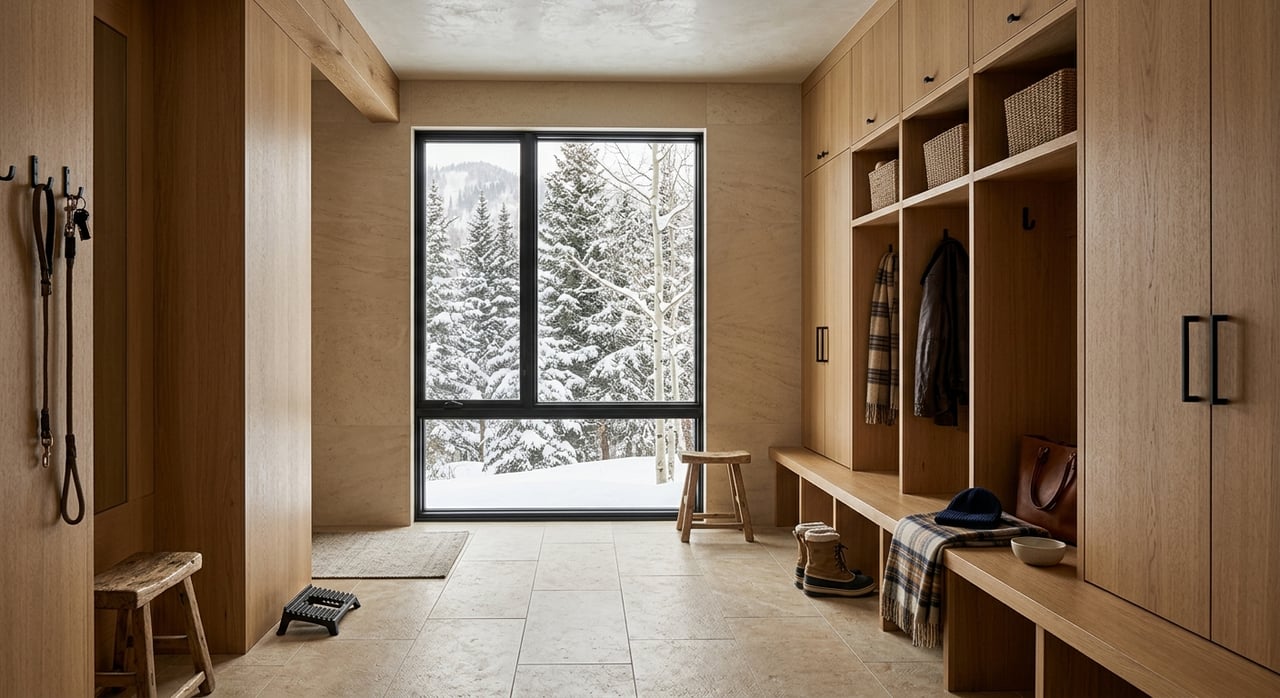
If you are thinking about buying a ski retreat in Deer Valley, the biggest decision is not just which property to buy. It is choosing the part of the mountain, the access pattern, and the ownership setup that best fits how you actually plan to use the home. Whether you want family-friendly convenience, strong ski access, or a more secluded alpine setting, knowing the differences up front can help you buy with more confidence. Let’s dive in.
Start With Deer Valley Lifestyle Fit
Deer Valley offers a very specific resort experience, and that matters when you are buying a second home. It is a ski-only resort in Park City, located about 38 miles from Salt Lake City International Airport. The resort also limits the number of skiers allowed on the mountain each day and recommends pre-purchasing lift tickets.
That experience appeals to many buyers who value a more managed, service-oriented mountain environment. It also helps to know that snowboards are not allowed, which can be an important detail if you expect to host friends or family with mixed ski preferences.
Altitude is another practical factor that can shape your first few days at the property. Deer Valley lists the base at 6,570 feet, mid-mountain at 8,100 feet, and the Empire summit at 9,570 feet. If you plan to visit with guests from lower elevations, that is worth keeping in mind when choosing your location on the mountain.
Understand Deer Valley’s Three Main Areas
Deer Valley’s own lodging map provides a useful framework for buyers. The resort organizes the mountain around three classic reference points: Snow Park, Silver Lake, and Empire Pass. These are not just map labels. They reflect meaningful differences in access, atmosphere, and day-to-day ownership experience.
Snow Park Offers Base-Area Convenience
Snow Park is Deer Valley’s main resort entrance and base area. This part of the resort includes a range of lodging formats, from hotel rooms to large private homes, with some ski-in/ski-out options available.
For many buyers, Snow Park stands out for convenience. It is especially close to Ski School, the Children’s Center, and beginner-friendly terrain like Wide West. It is also only about a 15-minute walk or 3-minute drive from Historic Main Street, which can make a real difference if you want quick access to dining, shopping, and town activity.
If you picture a retreat that works well for group arrivals, younger visitors, or easy in-and-out logistics, Snow Park is often a practical starting point. It tends to favor buyers who value connectivity and simplicity over the highest mountain setting.
Silver Lake Balances Access and Energy
Silver Lake is Deer Valley’s mid-mountain village. Here, you will find condominium and hotel-style accommodations, including both ski-in/ski-out and walk-to-village options.
This area often appeals to buyers who want a strong middle ground. You get direct access to intermediate groomers off Bald and Flagstaff Mountains, along with a village setting that supports dining, events, and après-ski activity. Silver Lake Beach also serves as a social and event hub, which adds to the area’s energy.
For buyers who want excellent ski access without feeling too removed from activity, Silver Lake can be a strong fit. It often delivers a balance of convenience, mountain ambiance, and social life.
Empire Pass Prioritizes Seclusion and Ski Time
Empire Pass sits higher on the mountain and is known for ski, bike, and hike in/out accommodations. This area offers access to first and last chair skiing on advanced powder terrain, with service from lifts including Northside Express, Silver Strike Express, Ruby Express, Empire Express, and Lady Morgan Express.
The feel here is more secluded and trail-focused than the lower tiers. If your priority is maximizing time on the mountain and enjoying a more private setting, Empire Pass may be the right match.
That said, buyers should look closely at how each property actually connects to the slopes. Even ski-in/ski-out inventory can be described as condition-dependent, which means snow conditions, walking routes, and the exact slope line all matter.
Compare Access Before Finishes
It is easy to get pulled into finishes, views, and interior design during a showing. In Deer Valley, your ownership experience is often shaped more by access than by decor.
Before writing an offer, it helps to rank your priorities in a clear order. Think about whether you care most about being near a lift, being close to Ski School, reaching Main Street easily, or having a quieter upper-mountain setting.
A few key questions can guide your search:
- Is the access truly ski-in/ski-out, or only in certain conditions?
- Is the property better suited to base-area convenience, village balance, or upper-mountain seclusion?
- Which services are included automatically, and which are the owner’s responsibility?
- How important is easy guest arrival and day-to-day transportation?
These questions usually matter more over time than small differences in furniture, finishes, or staging.
Look Closely at Transportation and Parking
Transportation can affect how effortless your retreat feels, especially if you plan to use it often or host guests. Deer Valley notes that guests should start at Snow Park Lodge, with very limited paid parking at Silver Lake Village and no public parking at Empire Canyon Lodge.
That can shape the ownership experience more than many buyers expect. If you are considering a property higher on the mountain, it is smart to understand how owners and guests typically arrive, unload, and move around during peak ski season.
There is good support built into the broader Deer Valley and Park City system. Deer Valley-managed lodging includes complimentary in-town transportation and on-call shuttle service, and Park City offers a free city bus system year-round. Many guests do not find it necessary to rent a car, which can be a meaningful advantage for second-home use.
Review HOA and Amenity Details Carefully
Not every Deer Valley property functions the same way, even within the same general area. Official lodging examples include hotel accommodations, condominiums, lodge-style units, and private residences, and the amenity mix can vary widely.
Depending on the property, amenities may include concierge service, daily housekeeping, ski valet, ski storage, on-site ski rentals and fittings, hot tubs, pools, fitness centers, game rooms, kids’ rooms, parking, and lounge spaces. Those features can shape both your enjoyment and your cost of ownership.
That is why it is important to go beyond the unit itself. Review the HOA or association package carefully, including the CC&Rs, budget, amenity list, and any property management details. The key question is not just what the home looks like, but what the building or community actually provides.
Factor Rental Rules Into the Decision
If you plan to offset costs with short-term rentals, licensing should be part of your buying analysis from the beginning. In Park City, a Nightly Rental License is required for lodging offered for fewer than 30 days when the use is allowed by zoning. Summit County also requires Nightly Rental Licenses for both owners and managers of short-term rentals under 30 days.
Those rules can affect how you underwrite the property. Licensing, inspection, and renewal requirements depend on jurisdiction, so you will want to confirm the exact standards that apply to the address you are considering.
Rental potential is not just about demand. It is also about whether the property, building rules, and local jurisdiction support the type of use you have in mind.
Think About Year-Round Use
A ski retreat is often purchased for winter, but your best choice may depend on how you plan to use it in other seasons too. Deer Valley’s mountain tiers create different lifestyle patterns throughout the year.
Snow Park is the most connected to family-oriented programming and town access. Silver Lake brings more mid-mountain dining and social energy. Empire Pass tends to feel the most secluded and trail-centered, which may appeal if you want a more private mountain base in both winter and warmer months.
If you expect to use the property across multiple seasons, think about what you want your day-to-day routine to feel like. The right fit often comes down to the rhythm of the location, not just the name on the address.
The Best Deer Valley Retreat Is the Right Match
In Deer Valley, the smartest purchase is usually the one that matches your habits, guest needs, and ownership goals most closely. A great fit for one buyer might feel inconvenient or overly managed for another.
That is why the most important decision is often not simply buying in Deer Valley. It is choosing the right mountain tier, access style, and service model for how you want to live there. When you get those pieces right, the property has a much better chance of working well for you long term.
If you are weighing Deer Valley options and want senior-level guidance on the differences between Snow Park, Silver Lake, and Empire Pass, Pack | Fey offers local, principal-led insight tailored to Park City’s resort micro-markets.
FAQs
What should you compare when buying a Deer Valley ski retreat?
- You should compare mountain tier, lift access, transportation, parking, HOA services, amenity packages, and any rental restrictions before focusing on interior finishes.
What is the difference between Snow Park, Silver Lake, and Empire Pass in Deer Valley?
- Snow Park is the base area with strong town and family convenience, Silver Lake is the mid-mountain village with balanced access and activity, and Empire Pass is the upper-mountain area known for seclusion and direct trail access.
What does ski-in/ski-out mean for Deer Valley properties?
- In Deer Valley, ski-in/ski-out access can be condition-dependent, so you should confirm the actual slope connection, walking route, and snow-related limitations for the specific property.
What should you know about parking at Deer Valley?
- Deer Valley says guests should start at Snow Park Lodge, parking at Silver Lake Village is very limited and paid, and there is no public parking at Empire Canyon Lodge.
What rental license rules apply to Deer Valley area properties?
- In Park City, a Nightly Rental License is required for stays under 30 days when zoning allows that use, and Summit County requires Nightly Rental Licenses for both owners and managers of short-term rentals under 30 days.
What makes a Deer Valley property a good year-round retreat?
- A good year-round fit depends on whether you prefer Snow Park’s town connection, Silver Lake’s village energy, or Empire Pass’s more secluded, trail-oriented setting.