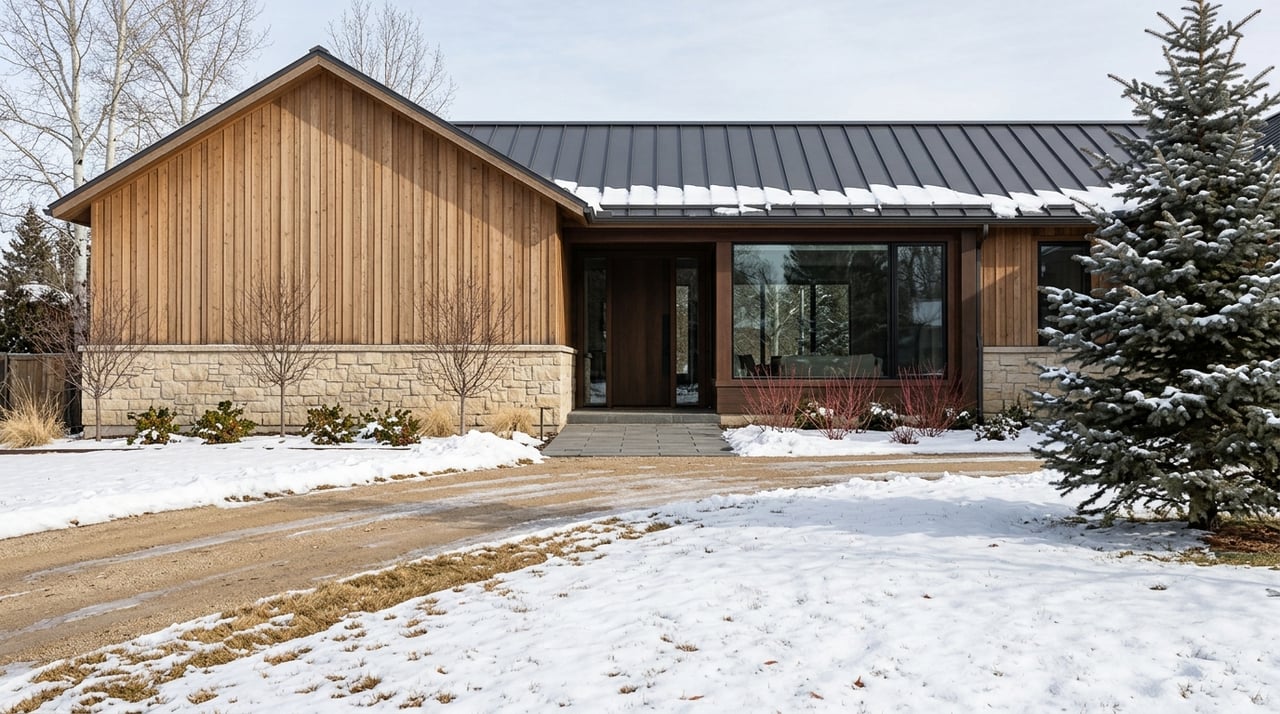
Wondering whether Park City, Heber Valley, or the Kamas area is the better fit for your next home? It is a smart question, especially if you want mountain access, strong lifestyle value, and a location that matches how you actually live day to day. The right choice often comes down to trade-offs like walkability, home style, open space, and commute patterns. Let’s break down how these areas compare so you can focus on the market that fits you best.
Park City vs valley living
Park City stands apart as the most resort-oriented option in this comparison. City materials point to a community shaped by year-round recreation, a connected transportation system, and a strong housing policy framework built around the needs of a resort market. If you want a place where trails, skiing, transit, and daily amenities are closely woven together, Park City offers the most fully built-out version of that lifestyle.
By contrast, Midway, Heber, and Daniel lean more residential and open-space focused. Planning materials from those communities consistently emphasize small-town character, rural identity, and balancing growth with preservation. That makes the Heber Valley feel less like a resort core and more like a collection of communities where scenery, space, and neighborhood setting play a bigger role.
Kamas is distinct again. The city describes itself as the Gateway to the Uintas and frames its identity around preserving an open and rural environment. If your goal is a quieter home base with a stronger sense of separation from the resort corridor, Kamas offers a different rhythm from both Park City and the Heber Valley.
What homes look like in Park City
Park City has the widest mix of housing types in this comparison. The city identifies condos, apartments, townhomes, and detached single-family homes as part of its housing stock. That variety gives buyers more ways to match lifestyle goals, whether you want a lock-and-leave condo or a larger detached home.
Park City is also shaped by limited in-town inventory and affordability policies tied to larger projects. The city reports 674 deed-restricted units and notes that many larger developments must meet a 20% inclusionary affordability obligation. For buyers, that helps explain why Park City often feels more structured, more policy-driven, and more influenced by resort demand than nearby valley markets.
Midway homes and community feel
Midway offers a mix that sits between resort access and small-town living. The city’s general plan describes residential areas around and near the center, medium-density housing around Main Street, and lower densities farther from the core. In practical terms, that often means you will see a blend of historic in-town homes, newer subdivisions, and more rural edges rather than one dominant product type.
Midway also puts clear emphasis on preserving its historic rural and country atmosphere. City planning materials call for concentrating more density near the core and limiting the spread of resort impacts across the city. If you like the idea of being near Park City while living in a community with its own defined town center and local identity, Midway often stands out.
Its recreation profile supports that appeal. Midway says Main Street should function as a public gathering place with a pedestrian focus, plazas, pocket parks, and traditional Swiss and European architectural influence. The city also notes it has seven parks and miles of trails, reinforcing a lifestyle that feels community-centered and active.
Heber and Daniel homes
Heber and Daniel generally offer more room and a more residential feel than Park City proper. Heber’s planning materials highlight rural and mountain residential clusters, including clustered housing models that preserve a large portion of a parcel as open space. That points to an environment where lot configuration, mountain views, and access to open land may matter just as much as square footage.
Daniel appears to be the most rural of the Heber Valley communities covered here. Its land-use plan says residential is the predominant land use and emphasizes preserving rural residential appearance and view corridors. For buyers looking for a simpler, lower-density setting, Daniel may feel meaningfully different from both Park City and Midway.
Heber also places clear value on preserving scenic, ecological, and geological features while expanding parks and trails. That gives the area a strong outdoor orientation without the denser resort framework that defines Park City. If you want the valley experience to feel centered on land, views, and neighborhood breathing room, Heber and Daniel deserve a close look.
Kamas area homes and setting
The Kamas area offers the most rural and geographically separate lifestyle in this comparison. The city’s general plan includes agricultural zones as well as low-, medium-, and high-density residential, but its core goal is preserving an open and rural environment. That usually translates into a stronger presence of larger lots, agricultural edges, and lower-density subdivisions than you typically find in Park City.
Kamas also has a distinct recreation identity. The city says it has long served people heading to the Uinta Mountains and Wilderness Area for camping, hunting, hiking, and horseback riding. For some buyers, that base-camp feel is a major draw because it creates a lifestyle centered less on resort convenience and more on direct access to broad outdoor landscapes.
Transit and commute differences
One of the biggest differences between these markets is how much driving your daily routine may require. Park City is the most transit-supported choice by far. Park City Transit has offered fare-free service since 1975 and now operates nine bus routes, supporting year-round movement around the city.
That matters if you want to rely less on a car. The city also encourages walking, biking, and park-and-ride use, which reinforces a lower-driving lifestyle than you will usually find in nearby valleys.
Midway sits somewhere in the middle. The city notes that car rental is the best way to access the area and that Uber is often limited, but it also points to free High Valley Transit bus routes between Heber City and Park City along with micro-transit in many Midway areas. In other words, Midway has improving transportation options, but the lifestyle still tends to be driving-based.
Heber and Daniel are closely tied to the US-40 corridor. UDOT says growth has outpaced corridor capacity and that the Heber Valley Corridor project is intended to improve regional and local mobility while adding non-motorized transportation options. For many buyers, that supports a simple takeaway: you may gain more space, but you should expect a more car-dependent routine.
Kamas is the most isolated in the group. The city says it is about eighteen miles east of Park City and describes the valley as relatively isolated. If you choose Kamas, the trade-off is typically more rural separation in exchange for a longer drive to Park City and other resort centers.
Which lifestyle fits best
The most helpful way to compare these areas is not by asking which one is best overall. It is by asking which one asks you to compromise the least. Each market supports a different version of mountain living.
Here is a simple way to think about it:
- Choose Park City if you want the strongest mix of resort amenities, transit, trail access, and housing variety.
- Choose Midway if you want a small-town setting with a walkable core, established community feel, and easier access to both valley life and Park City.
- Choose Heber or Daniel if you want more open-space-oriented living, a broader residential feel, and a setting where land and views are central to the experience.
- Choose Kamas if you want the most rural atmosphere, stronger geographic separation, and a gateway lifestyle connected to the Uintas.
A smart way to narrow your search
If you are deciding between these markets, start with your daily priorities instead of your wish list alone. Ask yourself whether you care most about walkability, low-maintenance living, larger lots, transit access, or a quieter rural setting. That usually brings the right geography into focus faster than comparing square footage or finishes alone.
This is especially important in Wasatch and Summit County, where communities can feel very different even when drive times look manageable on paper. The home itself matters, but the broader setting often determines whether a purchase feels right long term.
For many buyers, the decision is ultimately about fit. Park City offers the most integrated resort lifestyle. Midway, Heber Valley, and Kamas offer more space, stronger rural identity, or both. The best choice is the one that supports how you want to spend your time, move through the region, and enjoy your home year-round.
If you want a more tailored read on where your search should start, Pack | Fey offers senior-level guidance across Park City, Midway, Heber, Jordanelle, and the surrounding resort markets.
FAQs
How does Park City compare to Midway for homebuyers?
- Park City offers more transit, resort amenities, and housing variety, while Midway offers a smaller-town setting with a walkable core, parks, trails, and a more residential community feel.
How do Heber Valley homes compare to Park City homes?
- Heber Valley communities generally offer a more open-space-oriented and residential environment, while Park City is more resort-focused and transit-supported.
What makes Kamas different from Park City and Midway?
- Kamas stands out for its rural character, relative isolation, agricultural and open-space emphasis, and identity as a gateway to the Uinta Mountains.
Is Midway or Heber more car-dependent than Park City?
- Yes. Park City has the strongest transit network in this group, while Midway, Heber, and Daniel tend to support a more driving-based lifestyle.
What types of homes are common in Park City?
- Park City includes condos, apartments, townhomes, and detached single-family homes, giving buyers the broadest housing mix in this comparison.
How should you choose between Park City, Midway, Heber, and Kamas?
- Start with the lifestyle trade-off that matters most to you, such as walkability, lot size, recreation access, or drive time, then focus your search on the community that best matches that priority.