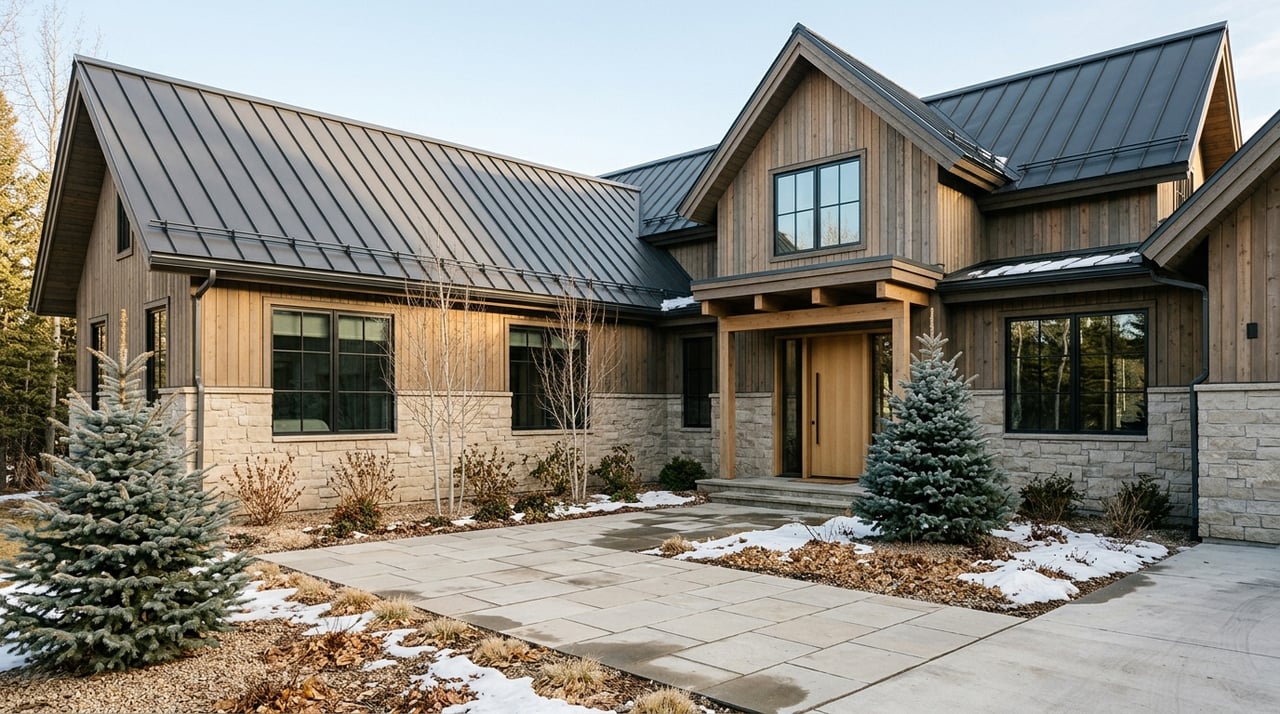
If you have looked at real estate in Park City and wondered why one home seems to follow a totally different set of rules than another just a few miles away, you are not imagining it. This market is shaped by distinct neighborhoods, resort influences, property types, and buyer goals, which makes broad averages only part of the story. When you understand what really drives pricing and demand here, you can make better decisions whether you plan to buy, sell, or simply watch the market more closely. Let’s dive in.
Park City Is a Micro-Market Market
One of the biggest reasons Park City stands apart is that it does not behave like a single, citywide market. According to the Park City Board of REALTORS 2025 year-end report, performance can vary based on location, property type, age, amenities, and price point. In other words, the right comparison for one property may be completely wrong for another.
That matters because the broad primary-market median stayed around $1.65 million to $1.67 million in 2025, while actual outcomes across the area looked very different. In Park City proper, 2025 ended with 143 single-family sales and a median price of $3.825 million, while Old Town recorded 53 sales and a $3.9 million median. Those numbers show how quickly values can shift when supply is limited and location is central.
The same pattern shows up across the wider area. The Snyderville Basin market update showed a range from $760,000 to $27.8 million over the prior 12 months. That kind of spread is a good reminder that Park City is really a collection of connected but very different submarkets.
Why Broad Medians Only Tell Part of the Story
A citywide median can be useful for headlines, but it does not tell you how buyers are actually making decisions. In Park City, details like ski access, remodel quality, construction vintage, and amenity packages can meaningfully change value.
The Board noted that newer or recently remodeled homes often performed differently than older homes. It also reported that golf-accessible lots could command premiums of roughly $850,000 to $1.1 million in some settings, while newer development drove a large share of transactions in places like Jordanelle and Heber Valley. That means pricing strategy here is rarely one-size-fits-all.
For sellers, this creates opportunity if your home lines up with what buyers currently want. For buyers, it means you need to look past averages and focus on the specific niche you are entering.
Seasonality Shapes Timing, Not Demand
Park City also stands apart because it is seasonal without being quiet. Activity moves through familiar annual patterns, but demand is supported by a four-season resort economy rather than one short peak.
The 2025 first-quarter report described Q1 as steady with seasonal activity, while the second-quarter report called summer the traditionally busiest period. The year finished with normal holiday softness in December, not an unusual market drop. That is an important distinction if you are trying to time a listing or purchase.
Inventory also rebuilt over the year. There were 866 homes listed at the end of Q1, 765 residential units for sale at the end of June, and more than 1,000 units in Q3 for the first time since 2020, according to the Board reports. June 2025 inventory was the highest June tally since before COVID, although still below the pre-pandemic June average of 867 units.
Park City Benefits From Year-Round Appeal
Seasonal rhythm makes more sense when you look at the area’s year-round draw. The official Park City visitor guide highlights two major ski resorts, Park City Mountain and Deer Valley, along with access from Salt Lake City International Airport in about 35 minutes. It also notes free transit serving Main Street, ski lifts, and trail systems.
For buyers, that combination supports convenience and flexibility. For sellers, it helps explain why interest can stay active well beyond a single season. Park City attracts people who use the area in winter, summer, and throughout the year, which gives the market a wider base of demand than many resort communities.
Buyers Here Are Increasingly Mobile
Another feature that sets Park City apart is the profile of today’s buyer. In 2025, the Park City Board of REALTORS reported a noticeable demographic shift, with younger buyers becoming more active and many purchasers coming from out of state. It also found that a substantial share of buyers were relocating full-time rather than purchasing only a second home.
That shift changes how properties are evaluated. Buyers are often comparing Park City not just to nearby communities, but to other resort and lifestyle markets across the country. They may be looking for easier access, newer design, and homes that feel move-in ready from day one.
The Board also reported that buyers showed strong preference for turnkey homes. New or recently renovated properties sold faster than older homes, and some buyers accepted less square footage in order to stay within their budget. That tells you a lot about how value is judged here: convenience, finish level, and usability can outweigh sheer size.
Luxury Demand Has Its Own Rules
Park City includes a luxury segment, but it does not move exactly like other well-known resort markets. The 2025 third-quarter report noted that cash purchases accounted for more than 60% of luxury transactions, making that segment less sensitive to mortgage-rate changes than typical move-up markets.
At the same time, Park City remains more diversified than some ultra-luxury resort destinations. Research cited in the report shows Aspen’s year-to-date single-family median reached $13.25 million in June 2025, while Jackson Hole’s Q1 2025 single-family median was $5.25 million, with 79% of purchases made in cash. Those are not direct apples-to-apples comparisons, but they help illustrate where Park City sits: still luxury, yet less uniformly priced at the very top end.
That balance is one reason Park City appeals to a broad mix of affluent buyers. You can see luxury product here, but you also see more range across neighborhoods, product types, and lifestyle priorities.
New Construction Carries Real Weight
In many markets, new construction is simply another option. In Park City, it is a major force in certain areas. The Board reported that new construction accounted for 60% of sales in Jordanelle and 40% of sales in Heber Valley in 2025.
That matters because newer homes often align with what many current buyers want: contemporary design, lower-maintenance living, and amenity-rich communities. It also means that resale homes may compete differently depending on updates, finish quality, and location.
If you are selling an older property, presentation and pricing become especially important. If you are buying, it helps to compare new and resale inventory carefully because they may serve different goals even within the same general area.
Neighborhood Context Drives Value
Park City’s market stands apart because neighborhood context affects value more than many buyers and sellers expect. A home in Old Town, a condo near ski access, a golf-oriented property, and a newer home in Jordanelle may all attract different audiences and pricing logic.
That is why local interpretation matters. The Board’s 2025 year-end report made clear that the effective comp set can shift based on neighborhood, ski access, construction vintage, and amenity package. In practical terms, that means the most useful advice is rarely generic.
For buyers, that can help you avoid overpaying for features that are not valued equally in every submarket. For sellers, it can help you position your property around the details that matter most to the right buyer pool.
What This Means if You’re Buying or Selling
If you are buying in Park City, expect a market that rewards preparation. Knowing your target neighborhood, preferred property type, and tolerance for updates can make your search much more efficient. In a segmented market, clarity gives you an advantage.
If you are selling, broad headlines are not enough to set your strategy. Your result may depend on how your home compares to nearby alternatives, how current its condition feels, and whether your property offers the features buyers are prioritizing right now.
This is exactly where boutique, senior-level guidance can make a difference. With a market shaped by micro-trends rather than one simple average, the strongest decisions usually come from precise local knowledge, clear pricing strategy, and polished presentation.
If you are thinking about buying, selling, or evaluating your next move in Park City, working with experienced local advisors can help you see where your property or search fits into the bigger picture. Connect with Pack | Fey for tailored guidance grounded in Park City’s neighborhood-level market realities.
FAQs
How is the Park City real estate market different from other resort markets?
- Park City combines luxury pricing with a wider range of neighborhoods, property types, and price points, so it is less uniform than many resort markets and more dependent on micro-market conditions.
Why do Park City home prices vary so much by neighborhood?
- Prices can change significantly based on location, ski access, property age, remodel quality, amenities, and whether the home is in an area driven by newer development or tighter resale inventory.
Is Park City real estate seasonal or active all year?
- Park City follows seasonal patterns, but demand stays active throughout the year because of its four-season resort appeal, airport access, and year-round lifestyle amenities.
What are Park City buyers looking for in 2025?
- According to local market reporting, many buyers preferred newer or recently renovated homes, contemporary design, easier access, and turnkey condition.
Does new construction matter in the Park City area market?
- Yes. New construction played a major role in several submarkets, including Jordanelle and Heber Valley, where it made up a significant share of sales.
Why is local market guidance important in Park City real estate?
- Because Park City functions as a set of micro-markets, accurate pricing, comp selection, and negotiation often depend on neighborhood-specific insight rather than broad market averages.