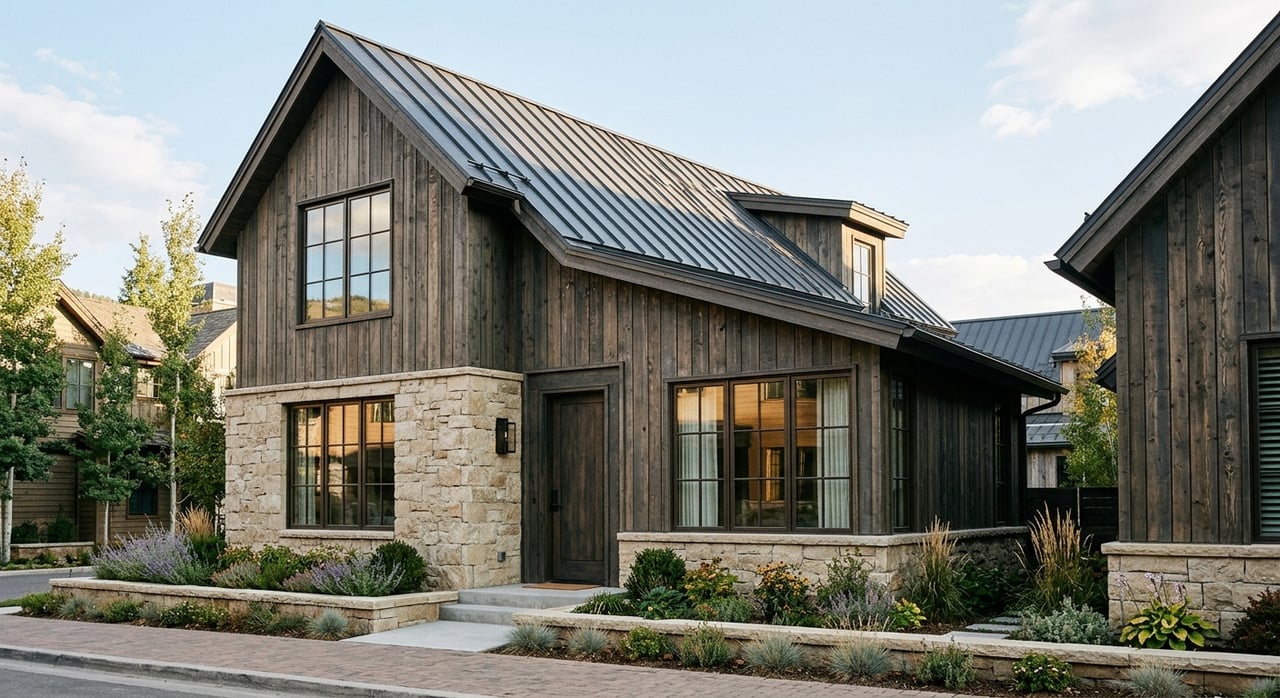
Are you picturing Old Town as a place that only comes alive when the snow falls? That is a common assumption, especially if you know Park City first as a ski destination. But if you are considering a home here, the bigger story is how Old Town functions as a year-round neighborhood with daily conveniences, historic charm, and a lively local rhythm well beyond winter. Let’s dive in.
Old Town is more than a ski-season address
Park City’s current Main Street Area Plan treats Historic Main Street and Old Town as a year-round neighborhood, not just a visitor district during peak winter months. That matters if you are thinking about ownership, because it reflects an ongoing focus on resident quality of life, access, neighborhood character, and business vitality.
Park City also describes itself as home to roughly 8,500 full-time residents. That helps frame Old Town in a more grounded way. While it is well known to visitors, it is also part of a functioning local community where people live, move around, and enjoy the area in every season.
Walkability shapes daily life
One of Old Town’s biggest advantages is how easy it is to explore on foot. Historic Main Street is one of Park City’s most walkable areas, with shops, galleries, restaurants, and the Park City Museum all close together.
If you value being able to step outside and get to dinner, browse local boutiques, or spend an afternoon around Main Street without relying on a car, Old Town stands out. That pedestrian-friendly setting is a big part of what gives the neighborhood its energy after ski season ends.
Main Street stays active in warmer months
The appeal does not disappear when winter does. Historic Main Street remains lined with locally owned galleries, boutiques, specialty shops, restaurants, bars, patios, and rooftop seating that help keep the area active through spring, summer, and fall.
For many buyers, this is the real draw. You are not only buying proximity to ski access. You are also buying into a neighborhood where dining, shopping, and cultural activity continue after the lifts stop spinning for the season.
Transit supports a car-light lifestyle
If you are wondering whether Old Town is car-free, the better description is car-light and transit-rich. Park City Transit has been fare-free since 1975, and Old Town is served by local routes and the trolley.
The city also notes that service expands during peak winter and summer seasons, with added summer event service for major downtown gatherings. That makes transit part of everyday life, not just a convenience for visitors.
Parking and access require planning
Old Town’s historic layout comes with tradeoffs. The city describes the district as narrow and steep, with limited on-street parking and areas without sidewalks. Many homes were built before the automobile, which helps explain why access and parking work differently here than in newer neighborhoods.
For some buyers, that historic form is part of the neighborhood’s appeal. For others, it is an important lifestyle consideration. If you are looking in Old Town, it helps to think honestly about how often you want to drive, where you will park, and how comfortable you are with hills, stairways, and a more compact streetscape.
Historic character defines the housing stock
Old Town’s appeal is closely tied to its historic setting. Park City says the area includes more than 400 historic sites and two National Register Historic Districts, including the Main Street Historic District and the Mining Boom Era Residences Thematic District.
That heritage is visible in the neighborhood’s scale and design. The historic overview from the city explains that Main Street sits at the base of a V-shaped canyon, while residential terraces climb the hillsides above it. Stairways historically connected Main Street to homes higher up, which still helps shape the neighborhood’s intimate and vertical feel today.
Buyers should understand preservation rules
If you are drawn to an older home in Old Town, preservation rules are part of the ownership story. Park City updated its Historic District Design Guidelines in 2019, and city code requires review for work that builds, remodels, alters, or adds to structures in historic districts and historic sites.
In practical terms, that means the neighborhood’s character is protected, but renovation may involve more review than you would expect in a newer area. For buyers who love historic homes, this can be a benefit because it helps preserve the qualities that make Old Town distinctive. It also means you should go in with a clear understanding of approval processes and project scope.
Housing options are not one-size-fits-all
Old Town is not limited to historic detached homes. City housing records also point to apartment and condo-style development in and around the historic core, which suggests a mixed housing stock that includes older homes, rehabilitated structures, and lower-maintenance options nearby.
That range can appeal to different types of buyers. Some want the charm of a historic residence, while others prefer a property that supports easier lock-and-leave ownership close to Main Street and trail access.
Summer and fall bring a different kind of energy
A common question is whether Old Town still feels lively after ski season. Based on the city and local source material, the answer is yes.
The area benefits from a long list of off-season draws, including dining, shopping, galleries, arts programming, museum access, and nearby trails. Instead of winter crowds and ski traffic, you get a more relaxed but still active version of Old Town.
Arts and culture stay present year-round
The Arts Council of Park City & Summit County supports artists and arts organizations year-round, with ongoing programming and events. Historic Main Street also maintains a walkable gallery scene with rotating exhibitions.
That creates a sense of continuity in the neighborhood. Even outside the ski season, there is still a reason to stroll downtown, stop into a gallery, or spend an evening around Main Street.
Trails add everyday recreation
Park City says the city and surrounding area offer more than 7,000 acres of preserved open space and more than 350 miles of recreational trails. Summer trail season generally runs from about May through October.
For Old Town residents, nearby access includes the Rail Trail, Lost Prospector, and Masonic Hill. If your ideal mountain lifestyle includes hiking, biking, or getting outside before dinner, that trail access is a meaningful part of daily life.
Local history remains visible
Old Town’s identity is not staged just for visitors. The Park City Museum, located on Historic Main Street, serves as a year-round anchor for the area’s mining-town and ski-town story.
That visible history gives the neighborhood a sense of place that newer areas cannot easily replicate. For many buyers, that connection to Park City’s past is part of what makes Old Town ownership feel special.
Who tends to love living here
Old Town tends to appeal to buyers who want historic character, walkable access, and a lively pedestrian setting. If you like the idea of stepping into a neighborhood with real texture, year-round activity, and easy access to Main Street, it can be a strong fit.
It is often especially attractive for buyers who are comfortable with tradeoffs. Those can include steeper streets, stairways, tighter access, more limited parking, and additional rules around remodeling or expansion.
In other words, Old Town is usually less about convenience in the suburban sense and more about experience, setting, and connection to Park City’s historic core. If that is what you value, the neighborhood can offer a lifestyle that holds up well beyond ski season.
What to weigh before you buy
Before you purchase in Old Town, it helps to focus on a few practical questions:
- How important is walkability to your daily routine?
- Do you want to rely less on a car and more on transit or walking?
- Are you comfortable with steep streets, stairs, and a compact historic layout?
- If buying a historic property, are you prepared for design review on future improvements?
- Would a condo or lower-maintenance property near the historic core better fit your lifestyle than a detached home?
These are the kinds of details that shape your ownership experience. In a neighborhood like Old Town, fit matters just as much as square footage or finishes.
If you are weighing whether Old Town matches the way you want to live in Park City, neighborhood-level guidance can make a real difference. For tailored advice on Old Town homes, condos, and micro-market opportunities, connect with Pack | Fey.
FAQs
Is Park City Old Town only busy during ski season?
- No. Old Town stays active beyond winter with dining, shopping, galleries, year-round arts programming, museum access, and nearby trail use during the warmer months.
Is Park City Old Town easy to live in without driving everywhere?
- Old Town is better described as car-light than car-free, with strong walkability, fare-free transit, trolley service, and seasonal transit expansions.
What is daily parking like in Park City Old Town?
- Parking can be more limited because the historic district has narrow, steep streets and many homes were built before the automobile, so access takes more planning than in newer neighborhoods.
Are homes in Park City Old Town mostly historic houses?
- Not entirely. Old Town includes historic homes, but city records also indicate apartment and condo-style development in and around the historic core.
Can you remodel a home in Park City Old Town easily?
- Remodeling or additions may require design review because work on structures in historic districts and historic sites is regulated under Park City’s code and design guidelines.
Why do buyers choose Park City Old Town beyond ski access?
- Many buyers are drawn to the neighborhood’s historic character, walkability, Main Street access, year-round activity, and proximity to trails and cultural amenities.