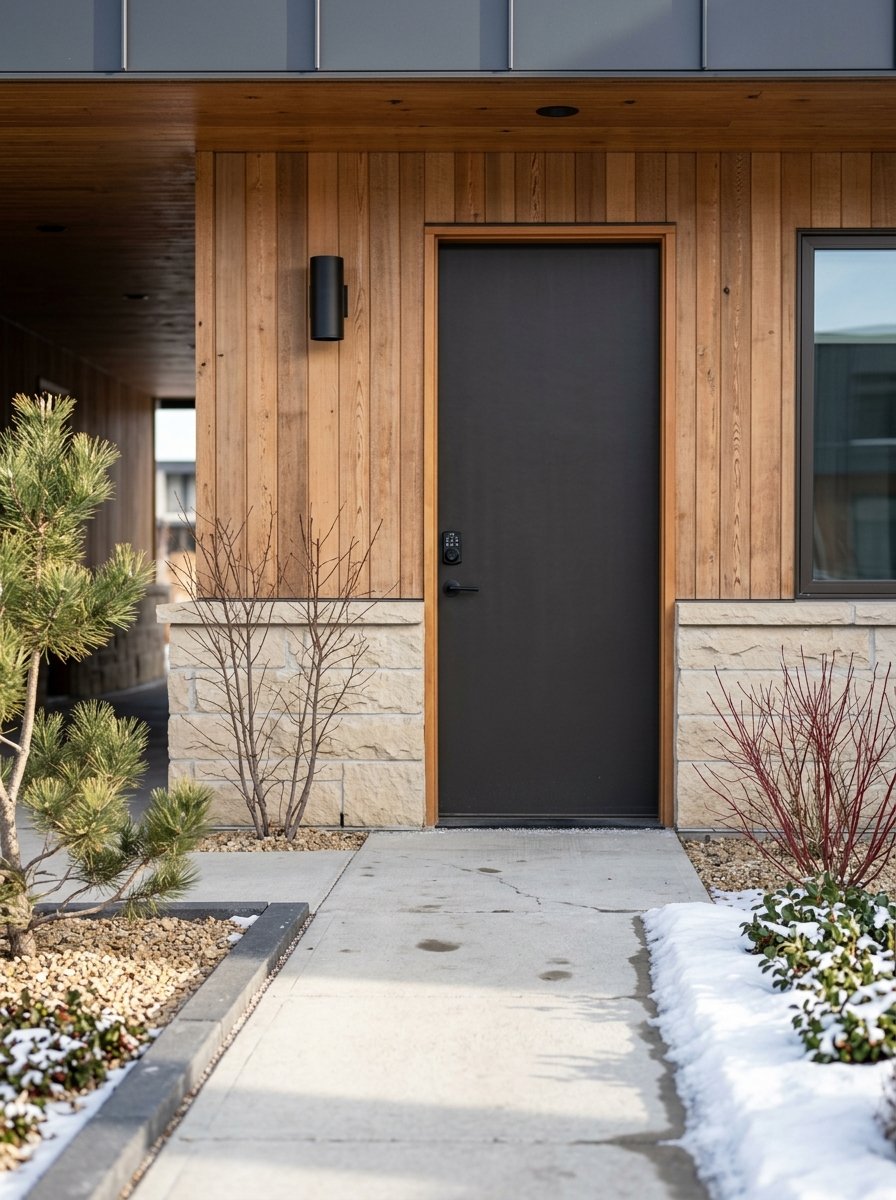
Are you looking for a Park City-area home that feels easy to enjoy and easy to leave behind when life pulls you elsewhere? If so, Kimball Junction deserves a closer look. For many buyers, its appeal comes down to practical comfort: low-maintenance housing, everyday services close by, and transit options that can simplify your routine. Let’s dive in.
Why Kimball Junction Fits Lock-and-Leave Living
Kimball Junction is not a secluded resort pocket. Summit County identifies it as the designated Town Center in the Snyderville Basin and the primary retail-commercial district for the broader area. Over time, it has grown into a mixed-use district with residential, lodging, entertainment, and social uses alongside shopping and services.
That matters if you want a property that supports convenience first. Instead of planning your day around long drives, you may be able to keep errands, dining, transit, and recreation closer to home. For many second-home buyers and part-time residents, that practical setup is a big part of the value.
County planning documents also describe Kimball Junction as a people-oriented district with goals for better pedestrian links, stronger transit connectivity, and more centralized parking. In simple terms, the area is built around access and functionality. That makes it a strong fit if your version of luxury includes efficiency, flexibility, and less day-to-day hassle.
What “Lock-and-Leave” Really Means Here
A true lock-and-leave lifestyle is about more than owning a condo or townhome. It means choosing a home and location that help reduce the number of things you need to manage when you are away. In Kimball Junction, that often points buyers toward association-governed properties with shared maintenance and easy access to daily needs.
Newpark Town Center currently includes a mix of apartments, townhomes, terraces, and condominium-hotel product. That housing mix reflects the low-maintenance ownership styles many buyers are looking for in this part of Summit County. It also gives you more than one path to convenience, depending on how often you plan to use the home and how hands-on you want ownership to be.
The location itself also supports the concept. Kimball Junction functions as a mixed-use base with shopping, dining, transit, trails, and recreation nearby. If your priority is ease over isolation, this is one of the clearest lifestyle cases in the Park City area.
Everyday Convenience Is the Main Draw
One of Kimball Junction’s biggest advantages is that many daily needs are close together. Visit Park City describes Junction Commons as an open-air shopping area with well-known retailers. Newpark Town Center adds restaurants, shops, offices, entertainment, lodging, and residences to the mix.
That type of setup can be especially useful if you split your time between homes. When you arrive for a weekend or a longer stay, you may want groceries, coffee, casual dining, and basic services without adding extra driving to your schedule. Kimball Junction is well positioned for that kind of practical use.
There is also a broader geographic advantage. Newpark notes that the area is within about a ten-minute drive of Old Town Park City and the ski resorts. So while Kimball Junction is not trying to replicate a slopeside village, it can serve as a convenient home base with strong access to the rest of the Park City area.
Transit Can Support a Car-Light Routine
For some buyers, lock-and-leave convenience also means not needing to rely on a car for every trip. High Valley Transit says its service is free and serves Kimball Junction and nearby areas through fixed routes and on-demand Micro service. The system includes the 103 Kimball Junction Shuttle, the 104 Bitner Shuttle, and the 10X express between Kimball Junction and Old Town Transit Center.
The Kimball Junction Transit Center is also a park-and-ride connected to both High Valley Transit and Park City Transit. According to High Valley Transit, buses are free, run 365 days a year, and are usually high-frequency from about 6 a.m. to midnight. The Kimball Junction and Jeremy Ranch Micro zone runs daily from 5 a.m. to 1 a.m.
That said, convenience is still building-specific. Your day-to-day experience can vary based on how close your property is to the transit center, nearby shuttle stops, and safe street crossings. In Kimball Junction, a short distance on a map does not always tell the full story.
Property Types to Expect
If you are exploring Kimball Junction for a low-maintenance purchase, you will likely see a housing mix shaped by shared amenities and attached living. That includes townhomes, apartments, terraces, and condo-style options in and around Newpark. These property types often appeal to buyers who want simpler upkeep and a more flexible ownership experience.
The area is also evolving. Summit County’s April 2026 Housing and Transit Reinvestment Zone approval covers about 60 acres within one-third of a mile of the transit center and adds context for future supply. The county says the plan includes more than 800 new dwelling units, with a mix of townhomes, apartments, and condos, along with commercial, educational, civic, and healthcare space.
For buyers, that reinforces Kimball Junction’s identity as a service-rich, mixed-use district rather than a purely residential enclave. It also suggests that access to transit and daily conveniences will remain central to how the area develops. If that is what you value most, the long-term direction may feel aligned with your goals.
HOA Quality Matters More Than You Think
In Kimball Junction, association living is often part of the lock-and-leave equation. Utah’s HOA guidance explains that when you buy into an HOA, you own your unit plus a joint ownership interest in common areas. Those common areas are maintained through dues, which commonly help cover items such as landscaping, snow removal, trash collection, insurance, and reserve funds.
That can be a major benefit when you are not in town full-time. A well-run HOA can reduce the maintenance burden and make arrivals and departures feel much easier. But the opposite is also true: a weak HOA can create friction through deferred maintenance, higher assessments, or restrictive rules.
Before you buy, Utah guidance says you should review key documents carefully, including CC&Rs, budgets, meeting minutes, rules, special assessments, rental restrictions, parking rules, and reserve funding. Those details can affect both your cost of ownership and how convenient the property feels in real life. In a market where ease is a major selling point, governance quality is not a side issue.
Walkability Depends on the Block
Kimball Junction is often discussed as a convenient area, and that is fair. Still, not every block delivers the same pedestrian experience. Summit County’s planning documents identify traffic congestion and the SR-224 corridor as major challenges, particularly for east-west pedestrian, bicycle, and transit connections.
That means you should compare properties with a practical eye. Look at how easily you can reach shops, trails, transit stops, and everyday services from the front door. Pay attention to crossings, traffic patterns, and whether the route actually feels simple enough to use regularly.
This is one reason local guidance matters. Two homes may look similar online, but their real-world convenience can differ quite a bit depending on the exact building and surrounding access. In Kimball Junction, the best lock-and-leave choice is often the one that works smoothly on an ordinary Tuesday, not just on a showing day.
Recreation Is Close at Hand
Convenience does not stop with errands and transit. Kimball Junction also benefits from nearby open space and recreation that can make short stays feel fuller and easier to enjoy. Summit County identifies Swaner Nature Preserve and Summit County open space as neighborhood borders, which helps define the area’s setting.
Newpark is anchored in part by the Swaner Preserve Eco-Center and the Basin Recreation Fieldhouse. Nearby, the Utah Olympic Park trail system connects to the broader Park City trail network, and Utah Olympic Park remains a year-round recreation venue. For buyers who want quick access to activity without committing to a more remote mountain setting, this can be a meaningful advantage.
That blend of function and recreation is part of Kimball Junction’s appeal. You can stay connected to trails, open space, and regional amenities while still living in a district built around everyday access. For many part-time owners, that balance feels more usable than a location that is scenic but less practical.
The Main Tradeoff to Understand
Kimball Junction offers a compelling convenience story, but it is important to understand the tradeoff. The area’s strengths come from mixed-use infrastructure, transit access, shopping, and service concentration. The flip side is that it can feel busier, more shared, and more traffic-influenced than a quieter resort neighborhood.
If your top priority is privacy, seclusion, or a more intimate pedestrian setting, Kimball Junction may not be your first choice. But if you care more about efficiency, access, and low-maintenance ownership, it stands out as one of the Park City area’s most practical options. The right fit depends on how you actually plan to live in the home.
That is where nuanced local advice becomes valuable. The broad case for Kimball Junction is strong, but the best property choice usually comes down to micro-location, association quality, and how the home supports your real routine. If you want clear, senior-level guidance on where convenience truly shows up day to day, Pack | Fey can help you evaluate the options with a local eye.
FAQs
What makes Kimball Junction a lock-and-leave option?
- Kimball Junction offers many of the features buyers often want in a lock-and-leave property, including low-maintenance housing types, nearby shopping and dining, free transit access, and association-governed properties that may handle shared maintenance.
What property types are common in Kimball Junction?
- In and around Newpark, the area includes apartments, townhomes, terraces, and condominium-hotel product, which reflects the low-maintenance housing mix common in Kimball Junction.
How does transit work in Kimball Junction?
- High Valley Transit says service is free and includes fixed routes and on-demand Micro service, with connections through the Kimball Junction Transit Center to both High Valley Transit and Park City Transit.
What should buyers review in a Kimball Junction HOA?
- Utah guidance says buyers should review CC&Rs, budgets, minutes, rules, special assessments, rental restrictions, parking rules, and reserve funding before closing.
Is Kimball Junction walkable for everyday errands?
- It can be, but convenience depends on the specific building and its access to stores, transit stops, and safe crossings, especially because Summit County identifies SR-224 and traffic congestion as key challenges.
How close is Kimball Junction to Park City recreation?
- Newpark says the area is within about a ten-minute drive of Old Town Park City and the ski resorts, and the neighborhood is also near Swaner Nature Preserve, Basin Recreation Fieldhouse, Utah Olympic Park, and connected trail systems.